Release time:2026.07.31 | view count:213
The Queensland State Government of Australia has recently announced a lighting‑retrofit project for public‑owned buildings in Maleny, replacing a total of 277 dark‑sky‑compliant LED luminaires across ten state‑owned public facilities.
Nestled in the hinterland of Queensland’s Sunshine Coast, Maleny is Queensland’s first International Dark‑Sky Reserve. Legacy conventional luminaires in the area suffered from substantial upward light spill and excessive blue‑light content, giving rise to light pollution and adverse impacts on local nocturnal ecosystems. Covering government‑run premises including police stations, fire brigades, ambulance stations, hospitals and schools, this retrofit deploys fully dark‑sky‑friendly LED products.
The selected luminaires feature directional cut‑off optics to suppress unwanted upward light emission and limit blue‑light output, delivering light precisely onto targeted work zones. While delivering energy‑saving benefits, the upgrade mitigates disturbance to the night‑sky and nocturnal wildlife. Local astronomers note that following this hardware overhaul, Maleny has transitioned from the most light‑polluted major town within the Dark‑Sky Reserve hinterland to one with the lowest light‑pollution levels across the zone.
Improved lighting conditions have also boosted the local astro‑tourism sector. Local tourism authorities have rolled out dark‑sky‑themed promotional campaigns, including engaging outreach activities and appointing a local child as the region’s “Chief Star Counter” to raise awareness of its stargazing tourism offerings.

Though dark‑sky lighting concepts are not new, the past two‑to‑three years have witnessed a surge in real‑world projects worldwide, driven by combined policy, technological and industrial factors. In early days, dark‑sky guidelines were voluntary and largely confined to observatories and dark‑sky parks. Conventional metal‑halide sources struggled to meet stringent light‑control requirements, restricting practical deployment. As LED optical solutions matured, precise light control became feasible alongside falling hardware costs. Coupled with ESG obligations and biodiversity‑protection imperatives, numerous overseas jurisdictions have elevated dark‑sky lighting requirements from advisory guidelines to mandatory public‑procurement criteria. Local governments across the US, EU and Australia have embedded cut‑off performance and colour‑temperature constraints within tender specifications for public works.
Progress is also underway in China. The national standard GB/T 35626 Specification for Limitation of Obtrusive Light from Outdoor Lighting sets baseline controls against obtrusive light. Shenzhen developed China’s first International Dark‑Sky Community at Xichong in 2023 and released the local specification Code for Light‑Environment of Dark‑Sky Communities in 2024. The China Association for Engineering Construction Standardisation’s Standard for Light‑Environment Planning of Dark‑Sky Reserves will come into force on 1 August 2026, laying out clear guidance on luminaire photometry, colour temperature and dimming controls for dark‑sky zones. Current domestic applications centre mostly on dark‑sky reserves and astro‑tourism schemes. Mandatory national rules for general municipal lighting are yet to take effect, yet dark‑sky principles have become a key reference for lighting design practice.
Technically, dark‑sky‑compliant luminaires do not simply reduce brightness; their core lies in fine‑grained light management. Hardware must deliver full cut‑off photometry to eliminate direct upward light and minimise lateral spill light and glare. Strict colour‑temperature governance applies: 3000 K or warmer is preferred for general outdoor use, while 2200‑2700 K is specified inside dark‑sky reserves to curtail short‑wavelength blue light. Dimming‑control systems are also required to enable power reduction overnight as needed, preventing over‑illumination and curbing light pollution without compromising safety.
Globally, overseas lighting‑market assessments are shifting away from luminous‑efficacy‑only benchmarks toward multi‑dimensional evaluation frameworks. Beyond Australia’s integration of dark‑sky photometry and colour‑temperature mandates for public projects, the EU, Saudi Arabia and Brazil have updated access regulations. Photobiological safety, system‑level energy efficiency, carbon footprint and dimming performance are fast‑becoming mandatory tender and customs‑clearance prerequisites. Amid tightening constraints, overseas public‑procurement tenders are no longer decided purely on hardware parameters and price. Optical performance, ecological‑friendliness and complete compliance documentation have emerged as new competitive differentiators for Chinese exporters.
For domestic LED lighting manufacturers, tracking global project cases and evolving policy requirements, together with pre‑emptive product development and certification work, will be critical to capturing emerging overseas‑market opportunities.
industry trends | 2026.10.14
industry trends | 2026.09.21
industry trends | 2026.09.11
industry trends | 2026.09.10
industry trends | 2026.09.09


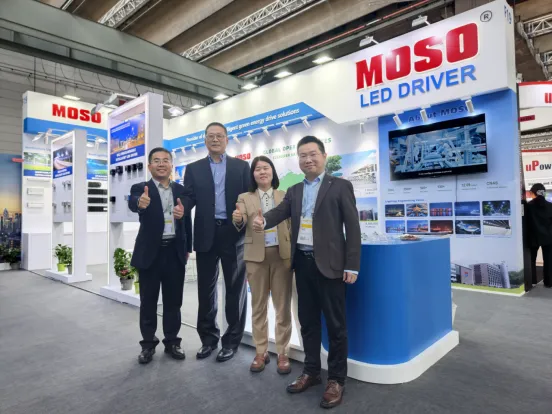
全球照明与建筑电气领域的顶级盛会——2026年法兰克福国际灯光照明及建筑技术与设备展览会(Light + Buildin…
2026.03.09
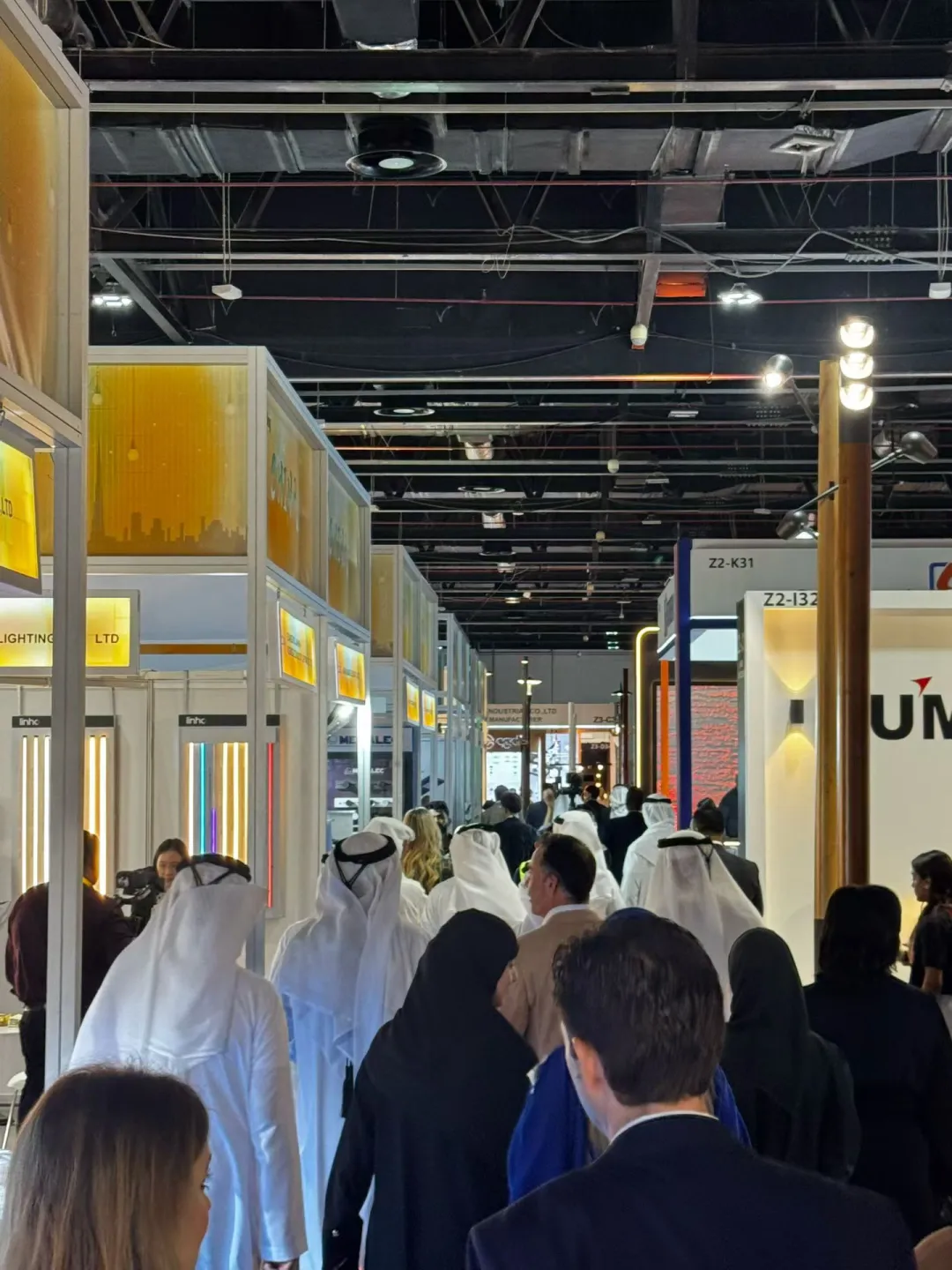
全球照明与建筑电气领域的顶级盛会——2026年法兰克福国际灯光照明及建筑技术与设备展览会(Light + Buildin…
2026.03.09
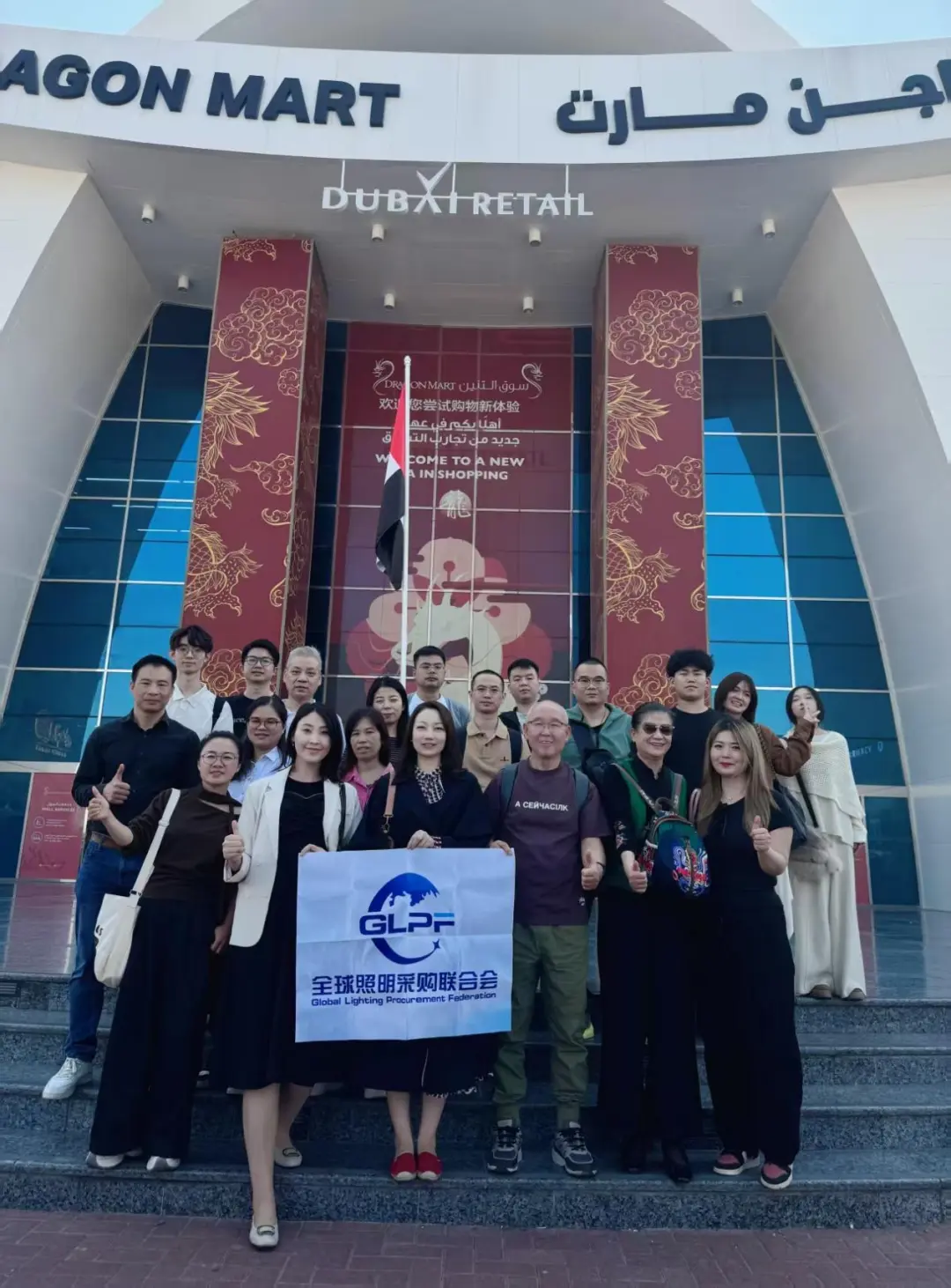
2026年1月12日,第19届中东(迪拜)国际照明及智能建筑展览会(Light + Intelligent Building Middle East 2…
2026.01.03
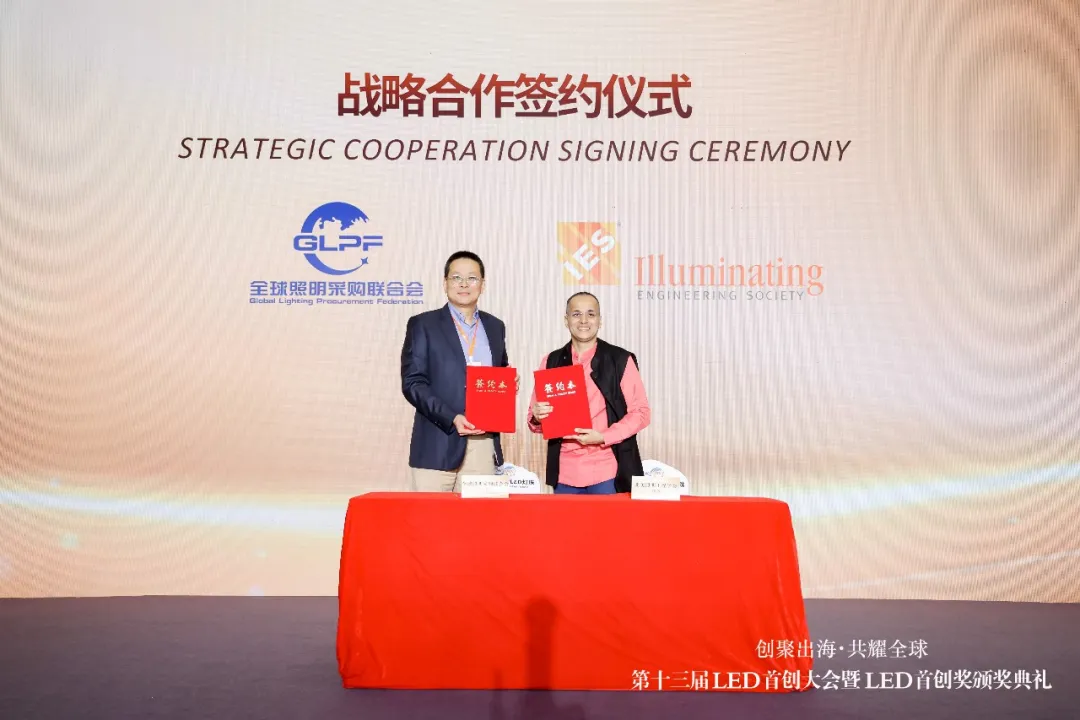
广州,2026年6月11日——在第十三届LED首创大会现场,全球照明采购联合会(GLPF)与北美照明工程学会(IES)…
2026.06.18
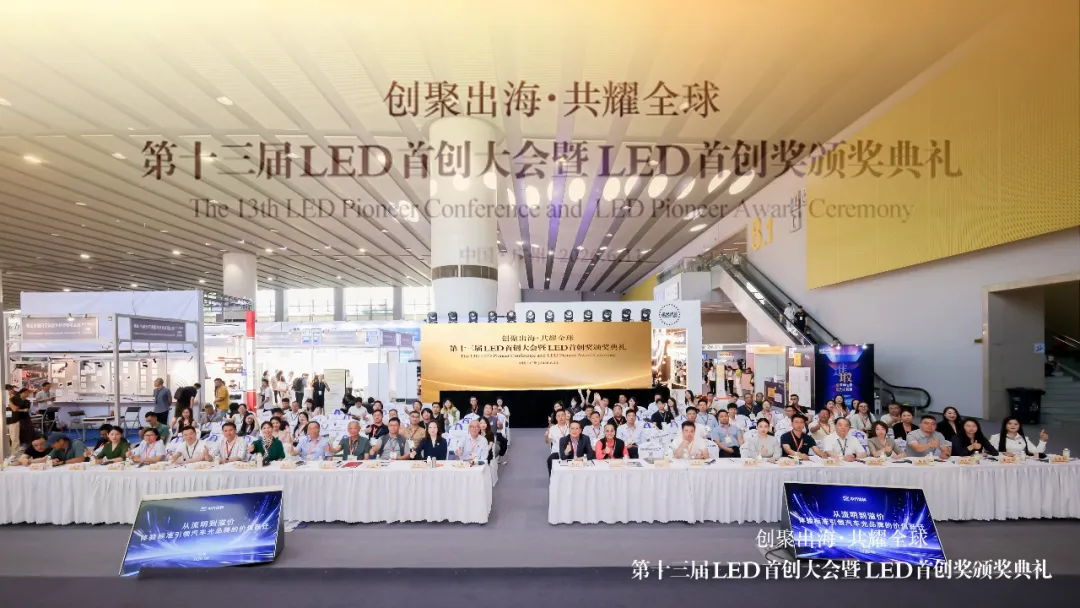
广州,2026年6月11日 — 六月的羊城,光潮涌动。以“创聚出海·共耀全球”为主题的第十三届LED首创大会暨LED…
2026.06.18

在逆全球化浪潮与地缘政治交织的当下,中美照明行业的技术互通、市场协同正面临挑战——如何打破壁垒、激活产…
2025.09.09
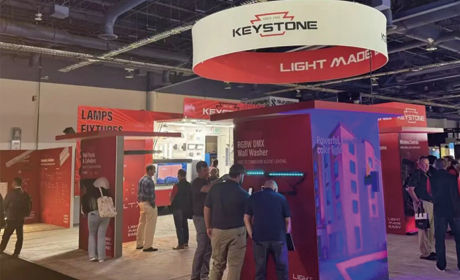
拉斯维加斯,2025年5月7日—— 正在美国拉斯维加斯会展中心举办的2025年美国国际照明展(LightFair)上,全球…
2025.05.08
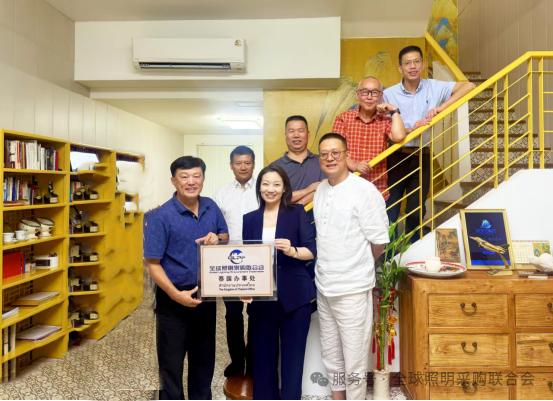
为响应东南亚照明市场蓬勃发展的机遇,解决中企出海痛点,助力全球照明产业链高效协同,2025年6月24日,全球…
2025.06.25
Shenzhen Office: 907, Building C, Qianhai Excellence Times Square, Bao'an District, Shenzhen
Email:glpf2025@yeah.net

Follow GLPF


Copyright © 2026 Global Lighting Procurement Federation (GLPF) All rights reserved