Tomorrow (July 24th), the 10% temporary import surcharge imposed by the United States under Section 122 of the 1974 Trade Act will expire in accordance with the law. For Chinese LED lighting export companies, this does mean a potential tariff window period - but there is still significant uncertainty about how big and how long the window can be opened. This article systematically reviews its origins, scope of influence, and response strategies.
What is Section 122? Where did it come from?
The starting point of the event can be traced back to February 2026.
On February 20, 2026 Eastern Time, the US Supreme Court ruled in a 6:3 ruling that the series of tariffs imposed by the Trump administration under the International Emergency Economic Powers Act (IEEPA) in 2025 were unconstitutional, and the 10% IEEPA tariff and 10% equivalent tariff involving China were simultaneously revoked.
Just a few hours later, Trump invoked Section 122 of the 1974 Trade Act and announced a temporary 10% tariff on goods from around the world. The US Customs and Border Protection (CBP) issued a notice on the evening of February 23, confirming that the measure will be officially implemented from 0:01 on February 24, 2026 (Eastern Time), with a validity period of 150 days until July 24, 2026.
💡 A detail about tax rates: Trump had hinted on February 21 that he would raise the tax rate from 10% to 15%, but so far there has been no executive order or CBP enforcement notice to support it, and the actual implemented tax rate has always been 10%. Some self media claims that the "15% global tariff expires" do not match the actual implementation of CBP.
What will be the tariff on Chinese lighting products to the United States after tomorrow's expiration?
Note: The 301 tariff is divided into two levels: List 1-3 (25%) and List 4A (7.5%).
Three scenarios after expiration
Scenario 1: 122 expires as scheduled, new 301 has not yet been implemented → there is a short-term "tariff window period"
If Congress does not proactively legislate for an extension and USTR's new measures do not take effect in a timely manner, then:
Comprehensive tax rate for LED light sources: 17.5% → 7.5% (↓ 10 percentage points)
Comprehensive tax rate for LED lighting fixtures: 35% → 25% (↓ 10 percentage points)
This is the only scenario of a true '10 percentage point drop', but the duration may be short.
Scenario 2: USTR forced labor 301 synchronously implemented → tax rate not reduced but increased instead
On June 2, 2026, USTR released proposed measures for the 301 investigation of 60 economies, proposing to impose an additional 12.5% 301 tariff on 46 economies including mainland China and Hong Kong, and a 10% tariff on 14 economies including the European Union and Mexico. The measure is currently in the stage of public evaluation and internal review after the July 7th hearing, and is expected to be implemented from late July to August.
Once implemented, the comprehensive tax rate for Chinese lighting products will become:
LED light source: 7.5% (original 301)+12.5% (new 301)=20% (↑ 2.5 percentage points)
LED lighting fixtures: 25% (original 301)+12.5% (new 301)=37.5% (↑ 2.5 percentage points)
Scenario three: 122 failure+forced labor 301+overcapacity 301 triple stacking
USTR has launched a 301 investigation on "structural overcapacity in manufacturing" targeting 16 economies (including China) on March 11th, and the investigation conclusion is expected to be announced in July August. If an additional 301 tariff is imposed in the investigation, the comprehensive tax rate for lighting fixtures may further rise to over 37.5%.
⚠️ Key judgment: US Treasury Secretary Besson has publicly stated that after the completion of the 301 investigation, tariff rates will "return to their original positions". The US is not planning to reduce taxes, but to replace the temporary 122 with a permanent 301. The so-called '10% drop' is just a superficial manifestation of the transitional moment.
The actual impact on China's lighting exports
History and Latest Data
In 2018 (before tax increase), China's lighting exports to the United States accounted for nearly 30% (about 28%) of China's total lighting exports;
2021 (peak): Exports to the United States amounted to $17.6 billion;
From the perspective of US imports, China's share of US lighting imports has declined from a high of nearly 70% to 42% in about a decade; Under this trend, the combined proportion of Southeast Asia and India has increased from less than 2% to over 20%.
In May 2026, the export value of Chinese lighting products to the United States increased by 11.1% year-on-year, but this was mainly due to the low base effect of the same period in 2025, rather than a substantial recovery in terminal demand.
The real weight of a 10 percentage point decrease
Even in the most optimistic scenario:
A $1 million LED lighting order reduced tariff costs from $350000 to $250000, saving $100000;
The tax rate difference between LED light source products (7.5% tariff) and Southeast Asian economies will be basically leveled;
However, LED lighting products are still more than 25% higher than other economies, and the structural gap still exists.
And once scenario two or scenario three occurs, the "10% drop" will reverse to a "real increase of 2.5% or even more".
How should lighting companies respond?
Short term strategy (for the next 1-2 weeks)
Focus on two time points: July 24th (expiration date of 122)+USTR Forced Labor 301 final decision announcement date. Confirm the actual customs clearance tax rate with the US customs broker as soon as possible;
Communicate with existing US clients: clarify the tariff cost sharing terms for current orders, and reserve flexible space for "renegotiation if the new 301 is implemented";
Accelerate the pace of negotiating and signing orders: If the shipment can be completed within the window period before the expiration of 122 and the landing of the new 301, a cost advantage of 10 percentage points can be locked in.
Mid term strategy (second half of the year)
Product portfolio reassessment: If the new 301 is implemented at 12.5% and the comprehensive tax rate for LED light sources is 20%, it still has certain competitiveness and can be promoted more; The high tax rate of 37.5% on LED lighting fixtures will become a long-term suppression factor;
Southeast Asian production capacity hedging value reassessment: Vietnam is also listed as a 12.5% high-end, but Mexico can exempt 122 and propose 301 through USMCA, further highlighting the strategic value of North American coastal layout;
Reserve buffer for quotation: embed "policy changes and price adjustment clauses" in the quotation to avoid profit penetration caused by repeated fluctuations in tariffs.
Long term strategy
Market diversification: European, African and other markets hedge their dependence on the United States to avoid policy risks in a single market;
Enhancing product added value: Tariffs can adjust prices, but cannot replace technological advantages and brand premiums;
Pre compliance: Regarding the investigation logic of forced labor 301, improve the supply chain traceability and ESG compliance system in advance.
📌 A core reminder to the industry: the expiration of Section 122 is not a "good news realization", but a key node in the transition of the US tariff system towards China from "temporary emergency" to "permanent institutionalization". Chinese lighting companies need to calculate "10% disappearance of 122" and "12.5% arrival of 301" on the same balance sheet. The short-term window does exist, but the medium and long-term tariff environment may not necessarily improve, and may further deteriorate due to the "unlimited and time limited" characteristics of the 301.
GLPF will continue to track USTR's policy developments around July 24th and interpret the final landing tax rate for member companies as soon as possible.
Hot News
-
industry trends | 2026.10.14
-
industry trends | 2026.09.21
-
industry trends | 2026.09.11
-
industry trends | 2026.09.10
-
industry trends | 2026.09.09

We look forward to your attention
This is our official account

Back to list
Popular Activities
-
行业动态
全球照明与建筑电气领域的顶级盛会——2026年法兰克福国际灯光照明及建筑技术与设备展览会(Light + Buildin…
2026.03.09
-
行业动态
全球照明与建筑电气领域的顶级盛会——2026年法兰克福国际灯光照明及建筑技术与设备展览会(Light + Buildin…
2026.03.09
-
行业动态
2026年1月12日,第19届中东(迪拜)国际照明及智能建筑展览会(Light + Intelligent Building Middle East 2…
2026.01.03
-
GLPF动态
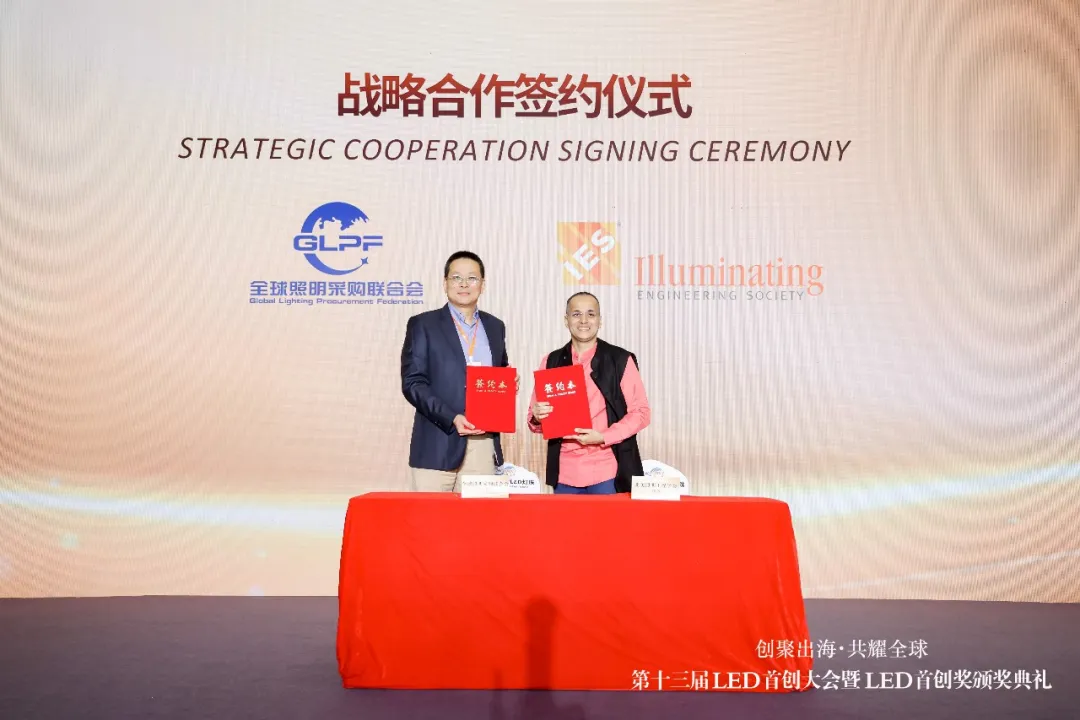
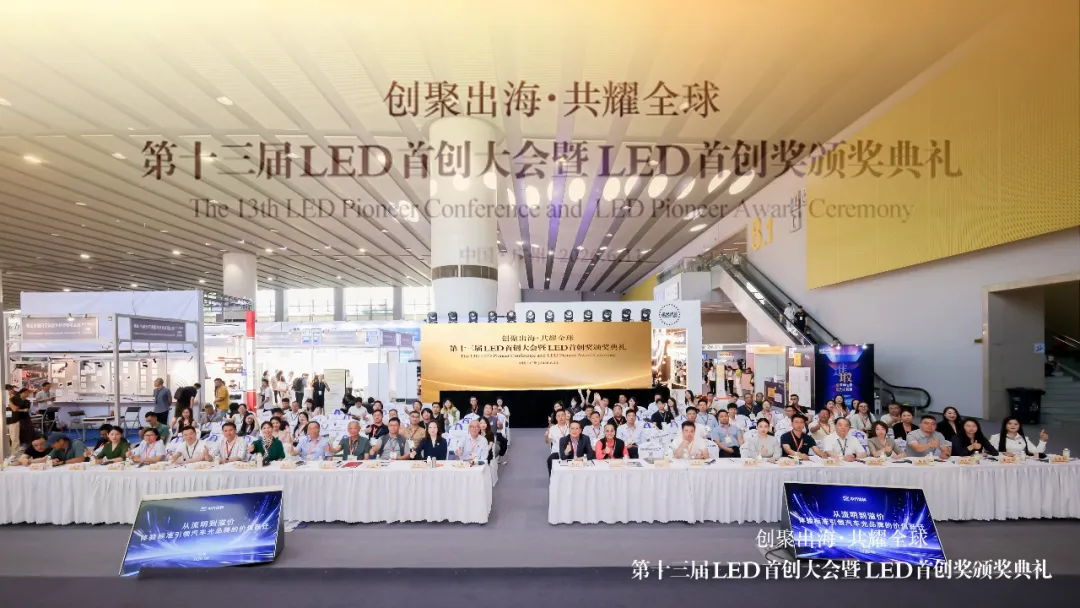
广州,2026年6月11日——在第十三届LED首创大会现场,全球照明采购联合会(GLPF)与北美照明工程学会(IES)…
2026.06.18
-
活动报道
广州,2026年6月11日 — 六月的羊城,光潮涌动。以“创聚出海·共耀全球”为主题的第十三届LED首创大会暨LED…
2026.06.18

-
行业动态
在逆全球化浪潮与地缘政治交织的当下,中美照明行业的技术互通、市场协同正面临挑战——如何打破壁垒、激活产…
2025.09.09
-
行业动态
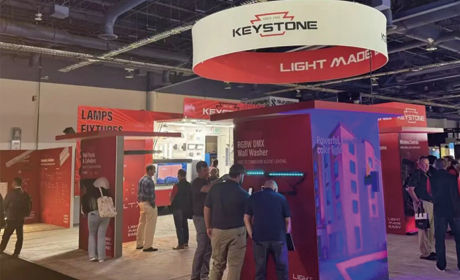
拉斯维加斯,2025年5月7日—— 正在美国拉斯维加斯会展中心举办的2025年美国国际照明展(LightFair)上,全球…
2025.05.08
-
GLPF动态
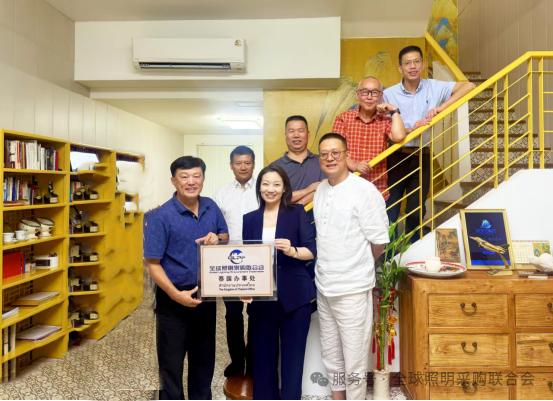
为响应东南亚照明市场蓬勃发展的机遇,解决中企出海痛点,助力全球照明产业链高效协同,2025年6月24日,全球…
2025.06.25