Release time:2026.08.26 | view count:187
In February, Lithuania notified SPRINGOS‑branded LED light strings. Inadequate electrical insulation created electric‑shock hazards, contravening the Low‑Voltage Directive and EN 60598. Regulators ordered full market withdrawal by retailers. In the same month, Germany notified Neonail LED luminaires. Insufficient insulation in the power supply transformer and missing Y‑capacitor protection gave rise to risks of electrical breakdown and electric shock, violating the Low‑Voltage Directive and EN 62368‑1. The manufacturer conducted a voluntary product recall.
In March, Spain notified Tengda LED light strings. The control box featured insufficient structural strength and could be opened by hand, exposing live parts. Cable strength also failed requirements, in breach of EN 60598‑2‑20, resulting in a sales ban.
In May, Slovakia notified decorative LED light strings with undersized conductor cross‑section and overly short cabling between the plug and the first lamp unit, which could expose live components. The product violated EN 60598‑1 and EN 60598‑2‑20. Distributors withdrew goods from the market, carried out end‑user recalls and issued risk warnings. Meanwhile, Croatia notified outdoor LED light strings suffering from poor insulation and inadequate IP protection, together with undersized conductors and insufficient creepage distance that created breakdown risks. The product was banned from EU circulation. Poland notified XUDO‑branded GU10 LED downlights. Failure of terminal block fixation caused loose wiring, which could energize metal enclosures. Non‑compliant with EN 60598‑2‑1, the items were removed from sale with public risk disclosure. Germany notified Chinese‑origin LED grow lights with non‑compliant insulation, electrical clearance and creepage distance, plus loosely secured protective terminals posing persistent electric‑shock risks, contrary to EN 60598‑1.
In June, Hungary notified decorative LED light strings with insulation defects and plug single‑pole insertion risks that allowed accessible live parts. Owing to high‑risk classification, the product was subject to a sales ban and end‑user recall.
These notifications do not stem from trivial quality defects. Instead, they reflect non‑compliance with harmonised EU technical specifications. Observed failures in insulation, electrical construction and mechanical protection represent key audit items under the EU CE‑marking regime.
Within EU legal frameworks, the CE mark acts as a market‑access passport for goods entering the EU territory. It signifies compliance with EU safety, health and environmental‑protection requirements, and constitutes the manufacturer’s declaration that its product satisfies all applicable EU legislation.
EU directives lay down overarching compliance baselines without granular executable technical parameters. To align enforcement across Member States, the EU has developed a set of harmonised standards. These serve as technical implementation documents for regulations, translating abstract legal obligations into measurable, testable and verifiable quantitative technical specifications. They also represent the sole authoritative reference for EU market‑surveillance enforcement and conformity assessment.
For luminaire manufacturers, general LED luminaires may achieve compliance via self‑declaration. Enterprises shall conduct risk assessment, perform testing against harmonised standards, compile complete technical documentation, and issue a Declaration of Conformity (DoC), after which the CE mark may be affixed. Self‑declaration does not exempt manufacturers from testing or documentation retention obligations. Full test reports and technical files must be retained for market‑surveillance audits.
Overall, CE compliance forms an integrated system comprising EU directives, harmonised standards, technical documentation and the Declaration of Conformity.
The EN 60598 series constitutes the core harmonised standard for LVD (Low‑Voltage Directive) compliance of luminaires and serves as the primary assessment benchmark for the aforementioned notifications. ‑ EN 60598‑1: General safety standard specifying fundamental requirements for insulation, creepage distance, earthing, conductor sizing, electric‑shock protection, heat resistance and fire safety applicable to all luminaires. ‑ EN 60598‑2‑20: Applies to light strings, detailing special requirements for control‑box mechanical strength, cable specifications, lead‑in length and IP protection grades. ‑ EN 60598‑2‑1: Governs fixed luminaires.
For LED luminaires with integrated power supplies and intelligent control modules, power‑supply assemblies shall additionally comply with EN 62368‑1, the safety standard for audio/video, information and communication technology equipment, to close electrical‑safety compliance gaps.
Beyond electrical safety, the RoHS 2.0 Directive (2011/65/EU) sets another mandatory market‑entry threshold for EU‑bound exports. It restricts six hazardous substances including lead and mercury, with a maximum lead limit of 0.1 % by weight in homogeneous materials. Hazardous‑substance risks span the entire supply chain. Solder for LED chips and drivers, cabling and housing coatings are all potential sources of non‑conformity. Manufacturers must implement robust supply‑chain governance and material‑declaration mechanisms. The LED mask notified by Slovakia in April 2026 serves as a typical case: solder contained 36.1 % lead by weight, triggering enforcement action for severe non‑compliance.
The LVD, RoHS Directive and corresponding harmonised standards represent only baseline compliance prerequisites for luminaires exported to the EU and do not cover all statutory obligations. EU regulatory oversight over electrically powered lighting products continues to tighten, with multi‑layer surveillance covering customs border checks, Member‑State market surveillance and cross‑border e‑platform reviews. Missing documentation or product non‑conformity may result in customs detention, Safety Gate notifications, product recalls and online‑listing removals. As the General Product Safety Regulation and Ecodesign‑for‑Sustainability regulations enter into force progressively, enterprises shall closely track newly‑introduced compliance clauses, proactively upgrade product designs and documentation controls, and mitigate export‑related risks.
industry trends | 2026.10.14
industry trends | 2026.09.21
industry trends | 2026.09.11
industry trends | 2026.09.10
industry trends | 2026.09.09

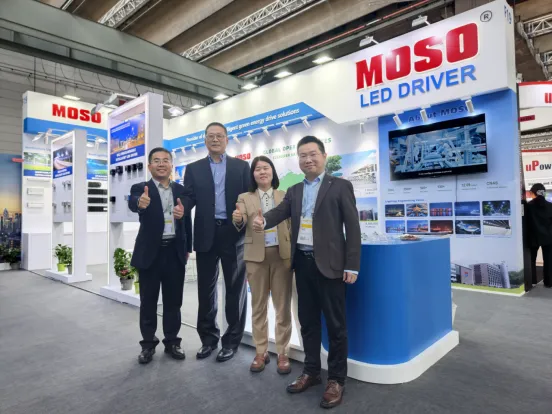
全球照明与建筑电气领域的顶级盛会——2026年法兰克福国际灯光照明及建筑技术与设备展览会(Light + Buildin…
2026.03.09
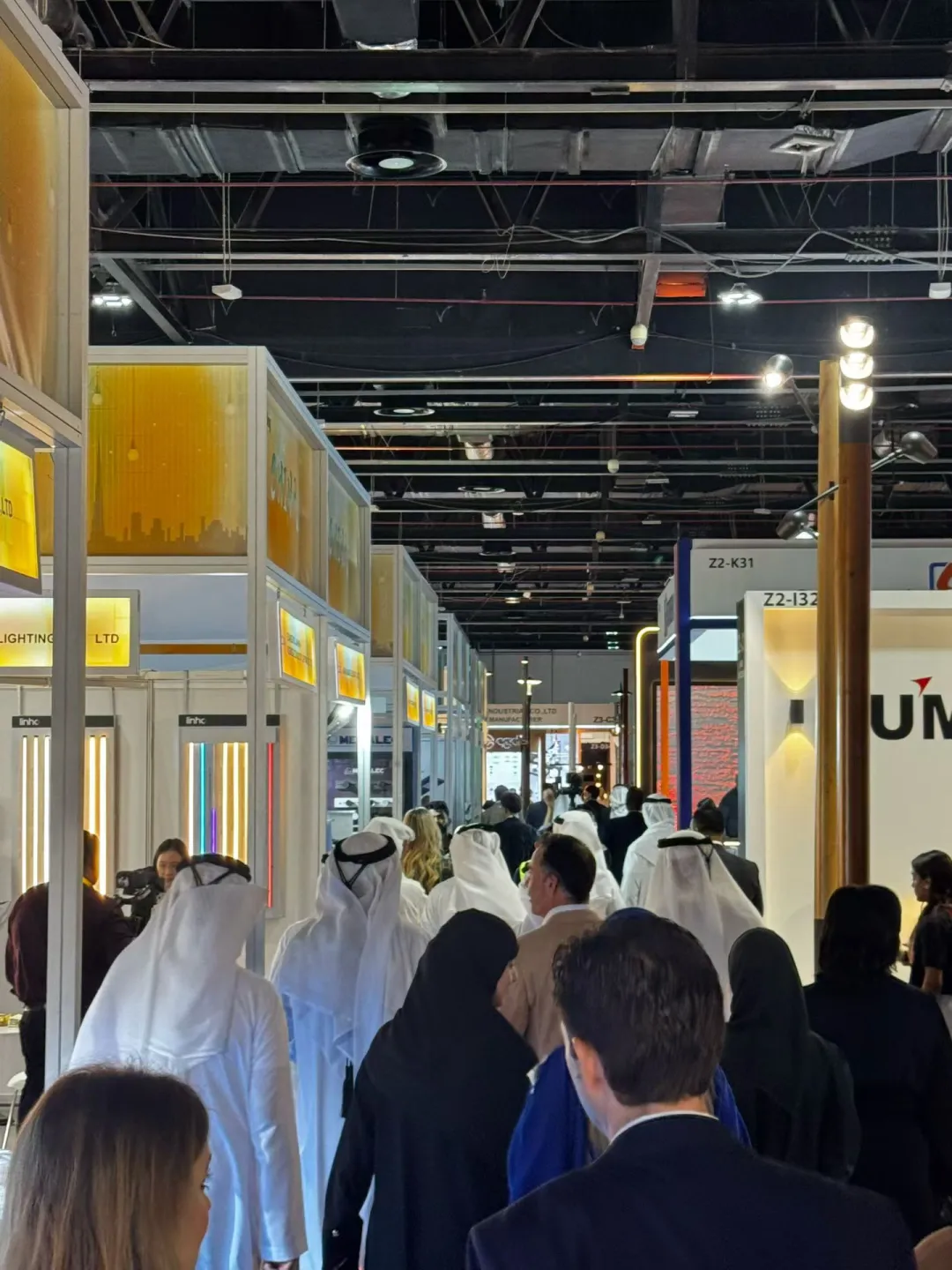
全球照明与建筑电气领域的顶级盛会——2026年法兰克福国际灯光照明及建筑技术与设备展览会(Light + Buildin…
2026.03.09
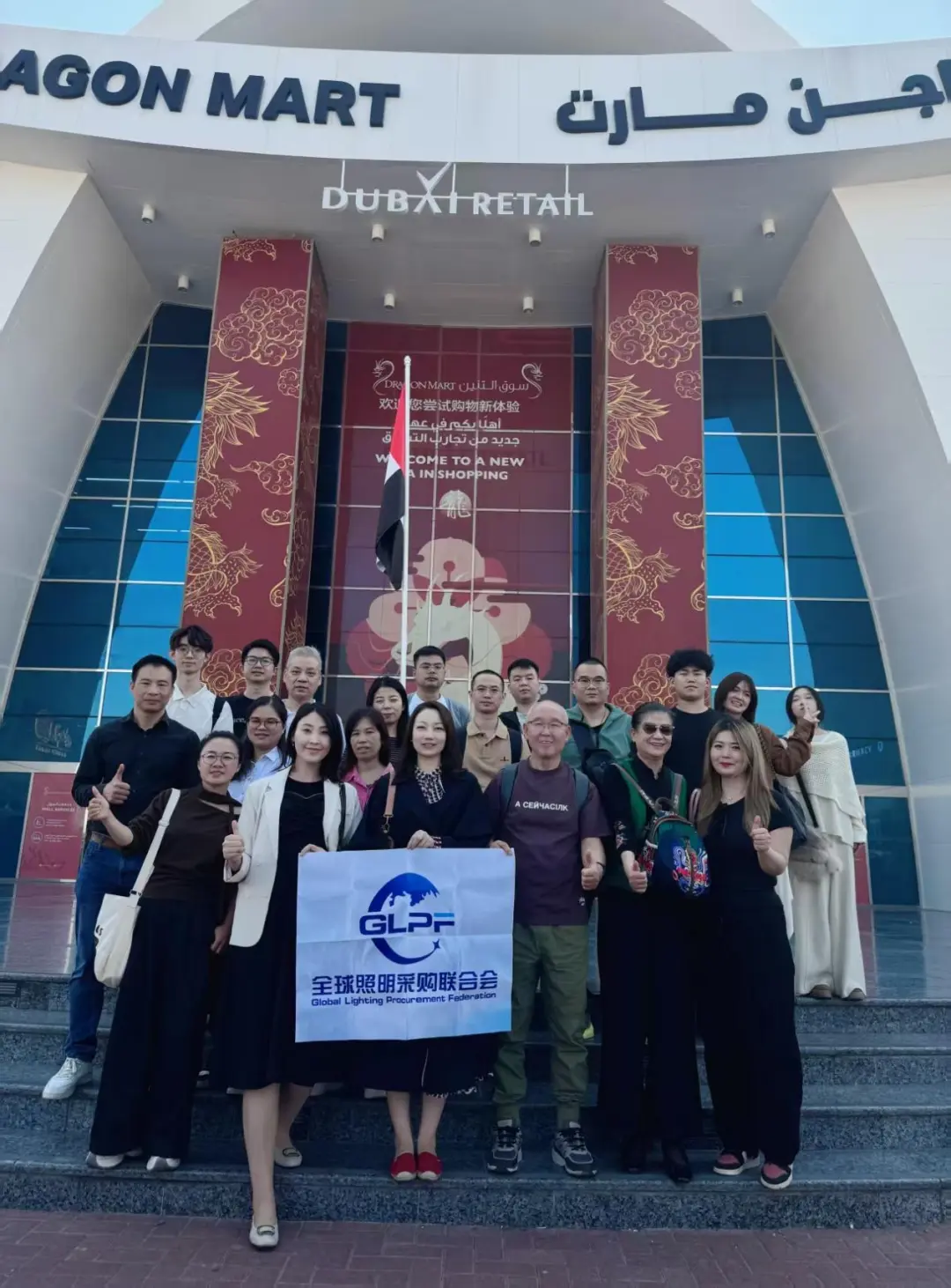
2026年1月12日,第19届中东(迪拜)国际照明及智能建筑展览会(Light + Intelligent Building Middle East 2…
2026.01.03
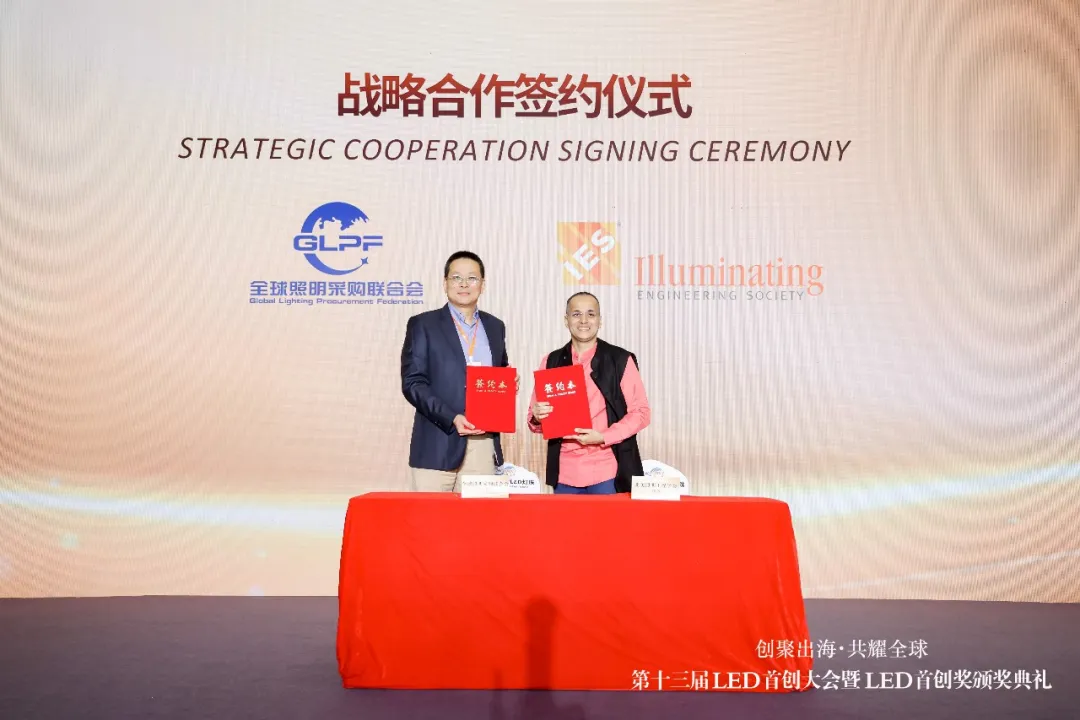
广州,2026年6月11日——在第十三届LED首创大会现场,全球照明采购联合会(GLPF)与北美照明工程学会(IES)…
2026.06.18
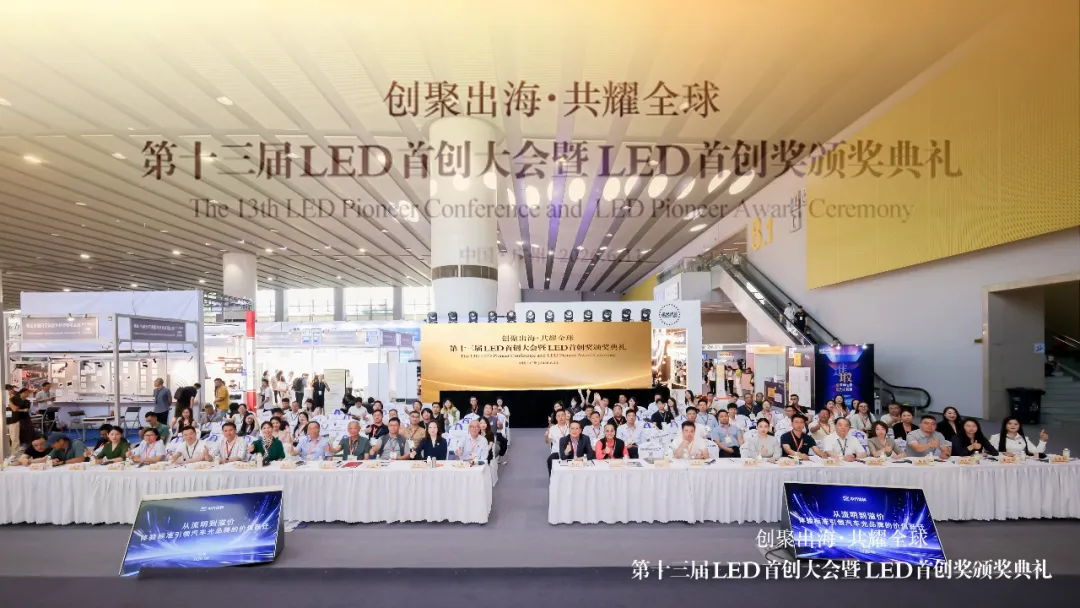
广州,2026年6月11日 — 六月的羊城,光潮涌动。以“创聚出海·共耀全球”为主题的第十三届LED首创大会暨LED…
2026.06.18
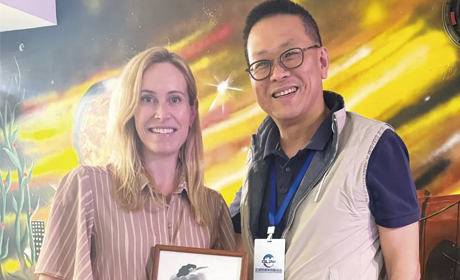
在逆全球化浪潮与地缘政治交织的当下,中美照明行业的技术互通、市场协同正面临挑战——如何打破壁垒、激活产…
2025.09.09
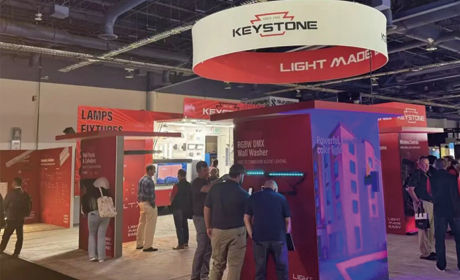
拉斯维加斯,2025年5月7日—— 正在美国拉斯维加斯会展中心举办的2025年美国国际照明展(LightFair)上,全球…
2025.05.08
为响应东南亚照明市场蓬勃发展的机遇,解决中企出海痛点,助力全球照明产业链高效协同,2025年6月24日,全球…
2025.06.25
Shenzhen Office: 907, Building C, Qianhai Excellence Times Square, Bao'an District, Shenzhen
Email:glpf2025@yeah.net
Follow GLPF


Copyright © 2026 Global Lighting Procurement Federation (GLPF) All rights reserved